


Real advice for fresh civil engineers entering India’s evolving construction landscape
Entering the construction industry in India as a fresher can feel like stepping into a storm. You're full of potential, but the industry demands experience. You’re technically qualified, but every job posting seems to ask for something more. The classic loop—“Need experience to get a job, and a job to gain experience”—still holds true.
But here’s the truth: While experience helps, clarity, adaptability, and self-awareness can bridge the gap faster than you think. Whether you want to work on-site or in project management, here are real-world, India-specific tips to help you become industry-ready—and more importantly, employable.
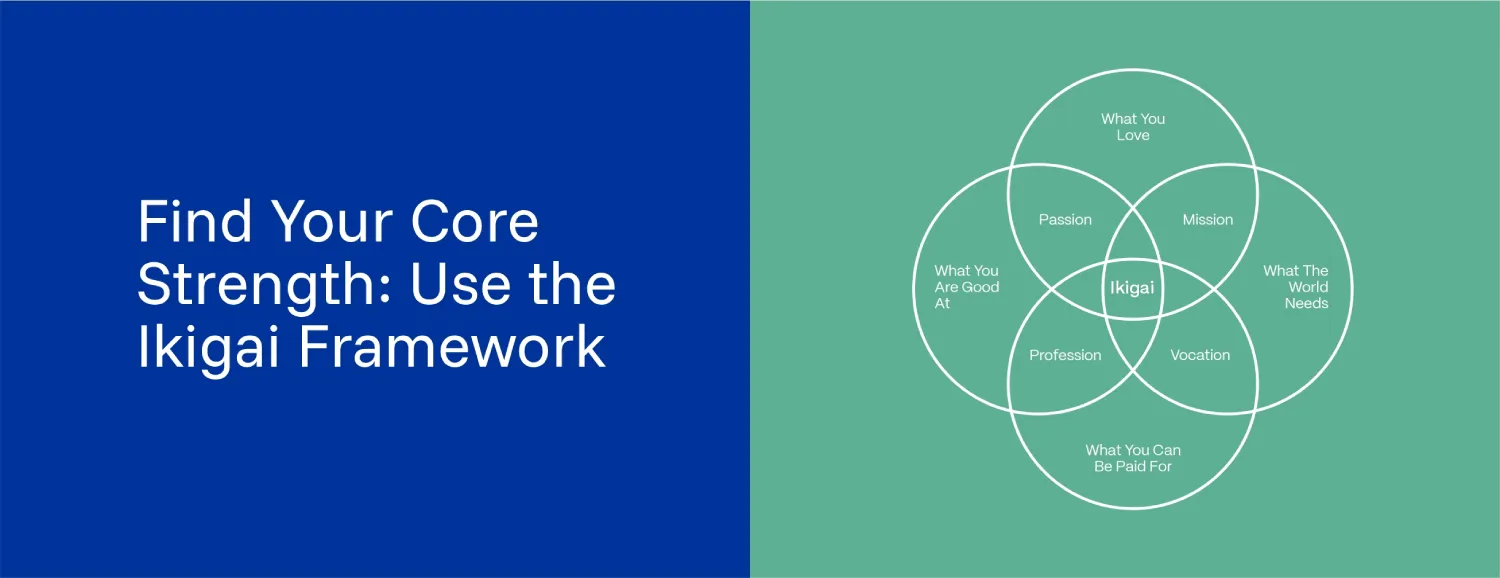
You’re not expected to know everything. But you should know what you’re best at.
The Ikigai framework—a Japanese concept for discovering purpose—asks you to reflect on four questions:
- What are you good at?
- What do you love doing?
- What can you be paid for?
- What does the industry need?
Maybe you’re detail-oriented and love documentation—that’s billing. Or you’re analytical and enjoy Excel—that’s estimation. Or you enjoy field activity and coordination—that’s site execution.
💡 Don’t follow the crowd. Pick your path early and align your learning with it.
2. Learn to Read Drawings Like a Second Language
If you can’t interpret technical drawings accurately, you’ll always remain dependent. Make sure you’re fluent with:
- RCC & structural drawings
- Plumbing, electrical, and fire-fighting layouts
- Site layout and elevation plans
- Understanding symbols, scales, and notes
🔧 Tip: Spend time on real project drawings—visit local contractors or ask mentors for sample PDFs.
3. Master 1 or 2 Construction Software Tools
No matter which role you take up, digital tools will find you. Some essential ones include:
- AutoCAD – For basic plan understanding and redlining
- MS Project or Primavera – For planning and scheduling
- Excel – Billing, BOQs, and estimations depend on Excel mastery
- SketchUp / Revit (optional) – For design-minded professionals
📊 A fresher who can update project trackers or prepare basic BOQs independently always stands out.
Site exposure is everything. Try to intern—even unpaid—for a few weeks at a real construction site. Here’s what it teaches you:
- Safety protocols and real-time coordination
- Daily reporting, contractor dealings, and labour dynamics
- Importance of time, resource, and sequence planning
- How unpredictable construction truly is
👷 Employers don’t expect expertise—they expect awareness. Real exposure helps you speak their language.
5. Learn to Communicate Professionally
Construction isn’t only technical—it’s collaborative. Poor communication can delay projects, confuse teams, and damage trust. You should be able to:
- Write emails with clarity and professionalism
- Record meeting minutes accurately
- Report daily progress succinctly
- Speak confidently with vendors and senior professionals
🗣️ Practice writing and speaking—use real scenarios. Confidence isn’t born, it’s built.
6. Build a Simple Portfolio of Your Work
Even if you're a fresher, you can demonstrate initiative. Create a portfolio (PDF or web-based) that includes:
- Your final year project
- Internship highlights with pictures
- Site photos (if allowed) and what you learned
- Sample BOQs or drawings you’ve worked on
- Certifications in construction software
📁 This makes your resume feel real—not theoretical.
7. Networking is Not Just for Seniors
Many freshers ignore networking until it’s too late. Start early:
- Attend industry expos, webinars, and conferences
- Stay active on LinkedIn and construction forums
- Ask seniors for referrals or shadowing opportunities
- Join WhatsApp/Telegram groups for site engineers
🔗 Sometimes, a small message to the right person opens a big door.
8. Understand the Basics of Project Lifecycle
Whether you’re on-site or off-site, know the big picture:
- Client Requirement & Feasibility
- Architectural & Structural Design
- Approvals & Estimation
- Procurement & Material Planning
- Site Execution (RCC, masonry, MEP)
- Finishing & Handover
📋 Understanding these steps helps you see where your work fits in the larger process.
9. Show Adaptability During Interviews
What companies really want to know is:
Can this person adapt to our system? Can they learn fast? Are they sincere and dependable?
Be honest about your current knowledge, but show your learning curve. Talk about:
- Times when you learned something on your own
- Small mistakes you made and how you corrected them
- How you handled feedback or new situations
🤲 Being a “trainable” fresher is more valuable than being a “know-it-all.”
Construction is a fluid industry. Codes change, technology evolves, and client expectations grow. Make it a habit to:
- Read project case studies
- Follow NHAI/CPWD or industry body updates
- Learn from senior engineers and labour feedback
- Reflect on what went wrong and why
📚 A fresher who keeps learning quickly becomes a dependable asset.
What Creativve Constructiions Looks for in Freshers
At Creativve Constructiions, we don’t hire only by marksheets. We look for:
- Clarity of thought
- Willingness to visit site and get hands dirty
- Interest in construction—not just a job title
- Ability to communicate and collaborate
- Respect for every stakeholder, from labour to client
👤 Our belief: Skills can be taught. Mindset must be chosen.
Closing Thoughts
Getting hired in construction isn’t about being perfect. It’s about being curious, committed, and courageous enough to learn. The industry is tough—but it’s also full of opportunities for those who are prepared.
So, the next time you doubt yourself as a fresher, remember:
Every senior engineer was once a fresher.
And every strong structure began with a single brick.
Now go lay yours.