
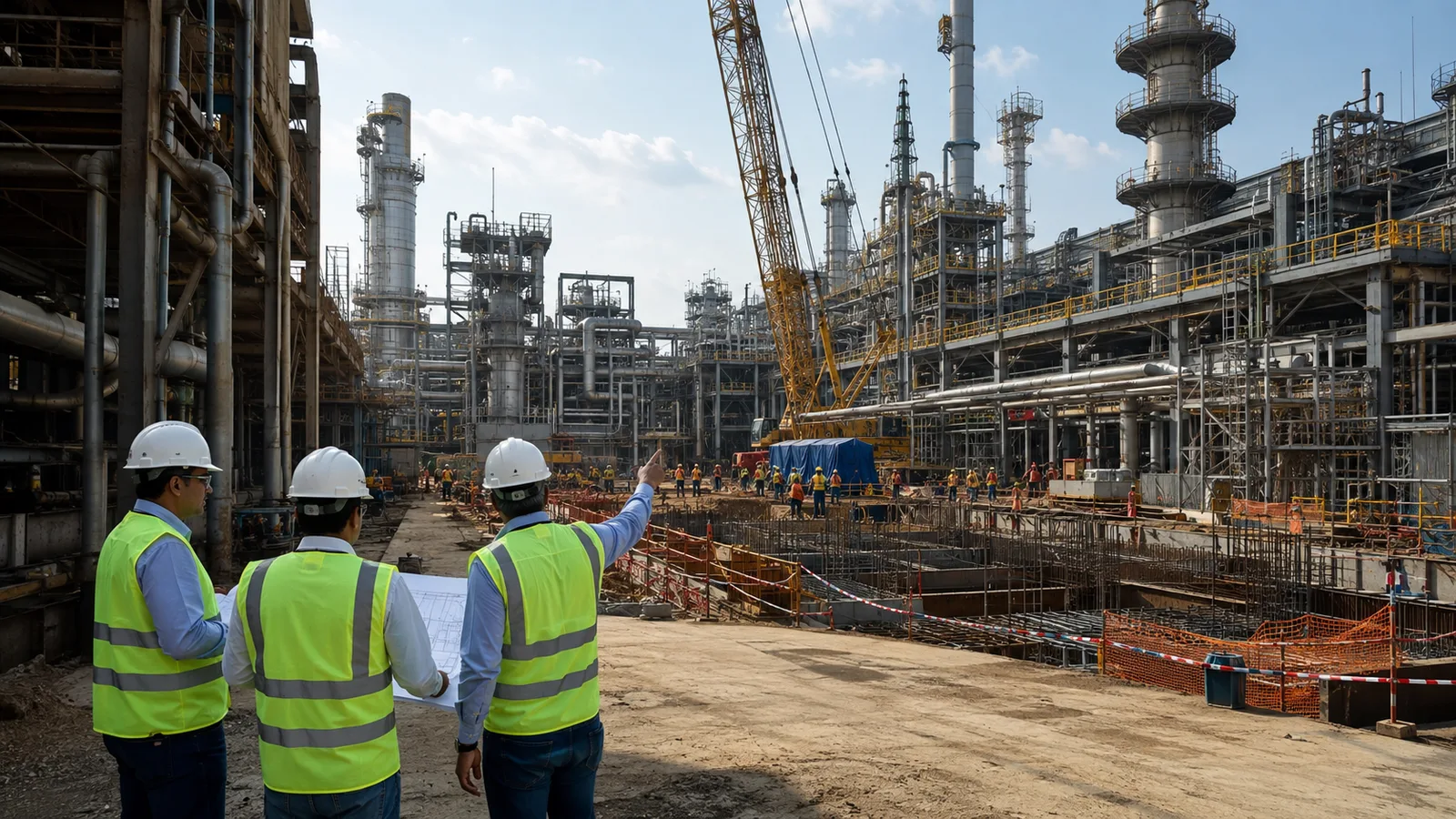
Plans, systems and dashboards matter, but construction outcomes are ultimately shaped where the work happens. Strong site leadership connects the project plan with daily decisions, people, safety, quality and client expectations.
Construction leadership is practical. It is measured through decisions, clarity, ownership and the ability to keep teams aligned when the project environment changes.
Why this matters
The issue is important because construction activities are connected. A weakness in one part of the system can move quickly into another part of the project as lost access, late information, idle resources, rework, safety exposure or commercial uncertainty. Better control begins by making those connections visible before they become urgent.
What needs to happen in practice
The following actions create a more dependable operating condition:
- Translate priorities into daily action. The important part is to convert this principle into an observable site control with a clear owner, a defined time for action and a way to confirm closure. Construction becomes more predictable when important expectations are made explicit rather than left to individual interpretation.
- Make timely decisions at the right level. This requires clarity about who owns the outcome and what decisions can be taken at each level. Strong leaders do not simply escalate every difficulty. They assemble the facts, act within their authority, communicate the consequence and make sure the issue is carried through to closure.
- Hold teams accountable without slowing them down. This requires clarity about who owns the outcome and what decisions can be taken at each level. Strong leaders do not simply escalate every difficulty. They assemble the facts, act within their authority, communicate the consequence and make sure the issue is carried through to closure.
Where projects usually lose control
The next set of controls becomes especially important once the project is moving at pace:
- Maintain visibility on constraints. The important part is to convert this principle into an observable site control with a clear owner, a defined time for action and a way to confirm closure. Construction becomes more predictable when important expectations are made explicit rather than left to individual interpretation.
- Protect safety and quality under schedule pressure. The control is strongest when it is designed into the method and sequence before the task starts. Risk assessment, permits, competent supervision and task-specific communication should make the safe way of working clear and practical. This protects people without turning HSE into a parallel process disconnected from production.
- Communicate clearly upward and downward. Clients gain confidence when information is timely, factual and useful for decisions. Good communication should make constraints visible early, distinguish facts from assumptions and explain the action being taken. Trust is strengthened most when difficult information is handled professionally rather than delayed.
The leadership implication
Systems create the framework, but leaders determine whether the framework is used consistently. Teams watch what receives attention when deadlines tighten. Leadership is therefore visible in everyday trade-offs: whether difficult information is surfaced, whether standards remain intact and whether people are trusted to take responsibility with accountability.
Creativve's Approach
At Creativve Constructiions, we believe strong organisations are built by combining clear systems with capable people who are trusted to take responsibility. Leadership should make execution more dependable at every level and create an environment where good decisions can be repeated across projects.