


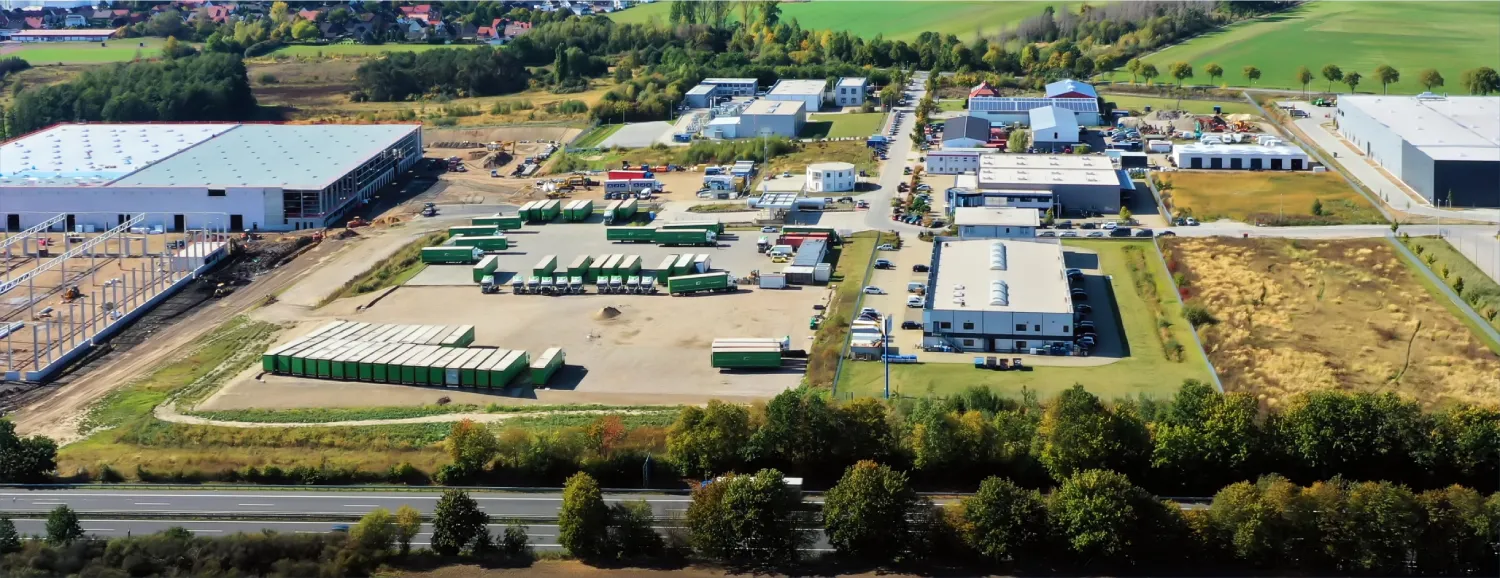
From plot selection to handover—what you must know before building your manufacturing unit in India
Starting your first industrial facility is one of the biggest milestones in a business owner’s journey. Whether you're expanding from a rented shed or launching your first plant, the transition to owning a built-to-purpose industrial facility comes with great potential—and considerable complexity.
Unlike residential or commercial construction, industrial construction has unique demands: operational logic, legal compliance, safety provisions, workflow design, and much more. And yet, many first-time builders start with a contractor instead of a plan. This often results in time overruns, budget blowouts, and stressful surprises.
In this blog, we’ll break down how to plan your first industrial facility in India—step by step—with practical insights for promoters, plant heads, and project managers.
Step 1: Start With Purpose, Not Just Land
Before you buy land or call a contractor, define:
- What are you manufacturing?
- What are your operational requirements?
- Do you need expansion flexibility?
- What utilities are essential—power, water, gas, ETP, etc.?
- What statutory clearances will be involved?
📌 Pro Tip: Don’t just plan for today—plan for 5 years ahead. Under-planned factories struggle to scale later.
Step 2: Choose the Right Location
Land is not just about cost per square foot—it’s about logistics, compliance, and operational fit.
- Proximity to raw material & market
- Industrial zoning (MIDC, GIDC, SIPCOT, etc.)
- Access to transportation (highways, ports, railway)
- Water table, flood risk, and soil quality
- Labour availability in the area
- Clear land title and minimal litigation risk
🔍 Document Checklist: Title deed, NA approval, zoning map, FSI, CRZ applicability, encumbrance certificate.
Step 3: Hire a Design & Build or Turnkey Partner Early
Most first-time owners hire an architect and later look for a contractor. But this results in designs that don’t match execution budgets.
- Instead, hire a Design & Build partner who can:
- Design keeping budget and feasibility in mind
- Integrate services (MEP, HVAC, plumbing, etc.) from Day 1
- Plan around expansion needs and process flow
- Take end-to-end responsibility
💡 Why It Works: It reduces handovers, speeds up approvals, and creates one point of accountability.
Step 4: Map the Plant Layout Functionally
Think like an operations manager, not a designer.
Plan your layout based on:
- Raw material flow
- Machine placement & safety zones
- Storage needs (raw, in-process, finished goods)
- Loading/unloading bays
- Staff entry and welfare areas
- Fire safety and escape paths
- Future expansion or mezzanine requirements
🛑 Mistake to Avoid: Don’t cram in machinery and hope to adjust later. Fix layout in design stage with clear movement plans.
Step 5: Decide Structural Systems Early (RCC vs PEB)
PEB (Pre-Engineered Building) structures are increasingly used for industrial spaces due to their:
- Faster build timelines
- Large column-free spans
- Flexibility in expansion
- Cost effectiveness for large sheds
However, RCC structures may be needed for:
- Multi-level facilities
- Heavy load-bearing zones
- Complex foundations or basements
🎯 Decision Factors: Budget, span requirement, site condition, load of machines, aesthetics.
Step 6: Plan for Regulatory & Utility Clearances
Industrial construction is governed by more than just building codes.
Key clearances include:
- Local municipal authority building plan approval
- Factory inspectorate (DISH)
- Fire NOC
- Environmental clearance (if applicable)
- Power load sanction (MSEB, BESCOM, etc.)
- Water supply and STP/ETP design
- Labour compliance and welfare facilities
🗂️ Pro Tip: Assign a dedicated person or consultant to handle permissions—delays here can stall the entire project.
Step 7: Site Execution Planning
Once planning is locked, site execution should be governed by:
- Detailed BOQ and procurement plan
- Safety and quality checklists
- Milestone-based schedules
- Rain contingency (especially during monsoons)
- Pre-approval of mock-ups and samples
- Regular client-site team coordination meetings
🔧 On-Site Wisdom: A project isn’t successful just because it’s built—it’s successful if it performs as intended and is expandable, serviceable, and safe.
Final Checklist Before You Start Construction
- Clear land title and zoning
- Functional plant layout finalized
- BOQ and budget approval
- Design and statutory approvals
- Procurement strategy
- Project milestones & review mechanism
- Appointed single point of execution responsibility
- Emergency and safety systems planned
How Creativve Constructiions Helps First-Time Builders
We understand that not every client is a construction expert. That’s why we:
- Simplify technical decisions
- Share samples, mockups, and material references
- Create phase-wise budget visibility
- Provide site update reports weekly
- Offer design + build + finishing + documentation in one workflow
Our goal is to remove stress from the client’s journey, and let them focus on their business—while we focus on the build.
Final Words
Building your first industrial facility is not just about brick and steel—it’s about building a new chapter in your business journey. It deserves thoughtful planning, reliable execution, and partners who understand your goals.
Start with clarity, plan with experts, and execute with confidence.
📩 Ready to discuss your project? Let’s talk.