


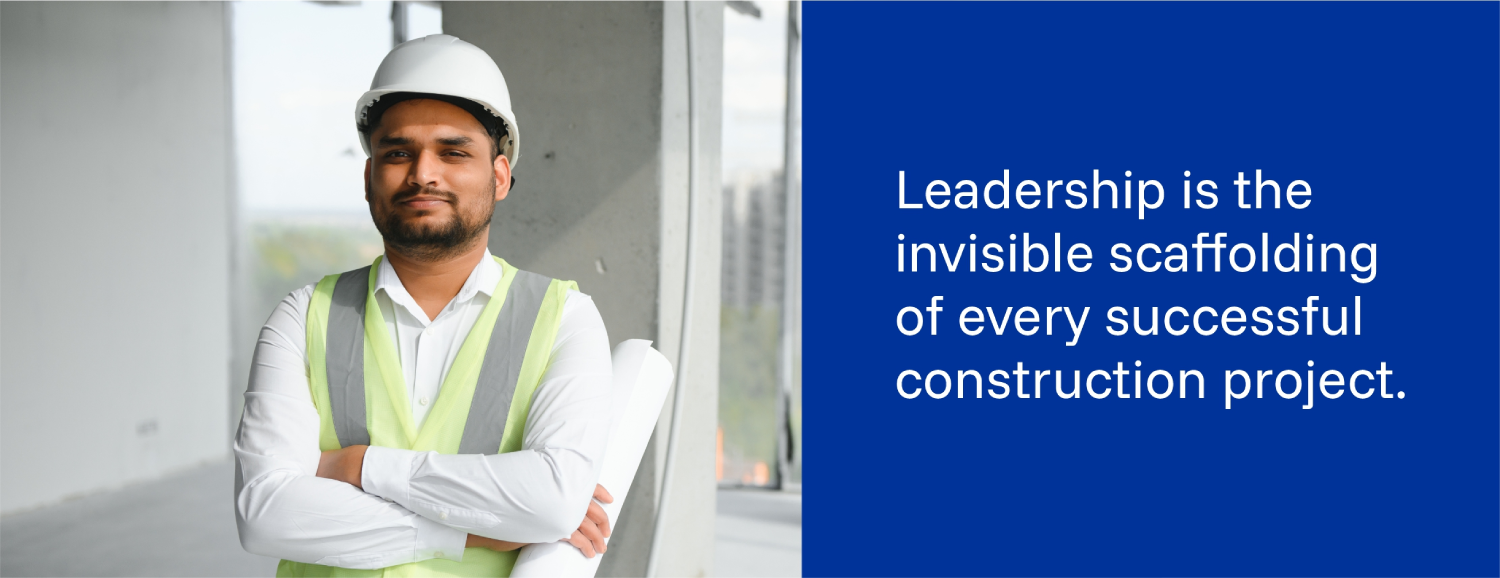
Leadership is the invisible scaffolding of every successful construction project. In India, where infrastructure is expanding at a rapid pace and project complexities are increasing, the role of leadership is no longer limited to planning and supervision. It now encompasses adaptability, foresight, interpersonal skill, and a deep understanding of on-ground realities. Developing strong, reliable leaders—especially the second line of leadership—is no longer optional; it’s an industry requirement.
Why Leadership Matters in Indian Construction
The construction sector is unique. It’s not a typical 9-to-5 industry. It involves dynamic site conditions, human dependencies, seasonal uncertainties, tight budgets, and unyielding deadlines. A leader in this industry must be much more than an executor; they must be a stabilizer, a mediator, and a decision-maker in high-pressure environments. In India, the diversity of language, labour systems, compliance environments, and local practices makes leadership particularly nuanced.

1. Unstructured Growth Paths
Most Indian construction companies promote site engineers to managerial roles based on experience, not leadership potential. There's often no formal training on how to manage people, communicate effectively, or think strategically. As a result, these individuals struggle to transition from doers to leaders.
2. Reactive vs Proactive Thinking
Construction sites are often in fire-fighting mode. Leaders who rise in this environment tend to become reactive instead of learning to anticipate problems. This limits their ability to think long-term and lead with intent.
3. Lack of Mentorship
In most companies, knowledge is passed down informally. The absence of structured mentorship programs leaves young professionals guessing what leadership means—and trying to mimic what they observe.

1. Define Roles and Responsibilities Clearly
Ambiguity kills accountability. Ensure that site managers, project coordinators, and supervisors have clearly defined scopes—not just in terms of tasks, but also decision-making authority.
2. Train in Soft Skills and Emotional Intelligence
A site manager’s ability to handle a labour dispute or calm an anxious client is just as important as technical accuracy. Leaders should be trained in communication, negotiation, and conflict resolution. Offer workshops or tie-ups with training partners.
3. Rotate Exposure
Rotate junior engineers through different departments—planning, billing, procurement, and site execution. This builds cross-functional understanding, which is critical for higher leadership roles.
4. Encourage Ownership
Let team members lead smaller packages or segments of a project. Offer them end-to-end responsibility for that scope, with reporting structures and KPIs. When people are trusted, they grow.
5. Build Feedback Loops
Most organisations conduct annual reviews that are backward-looking. Instead, implement monthly pulse check-ins where juniors and seniors both provide constructive feedback. It fosters transparency and a culture of learning.
Leadership in Action: Real Scenarios
Imagine a project in Pune facing a delay due to non-availability of MEP materials. A strong second-line leader wouldn’t just escalate the issue. They’d proactively coordinate with the procurement team, adjust the execution plan, and prepare revised schedules to mitigate the delay—all while keeping the client informed.
Now imagine a labour walkout due to unpaid dues by a sub-vendor. A capable leader handles this without panic—communicates transparently, resolves the dispute, and rebuilds trust with the labour.
Leadership is not just about managing plans—it’s about managing people, expectations, and outcomes simultaneously.
Case Study: Creativve Constructiions
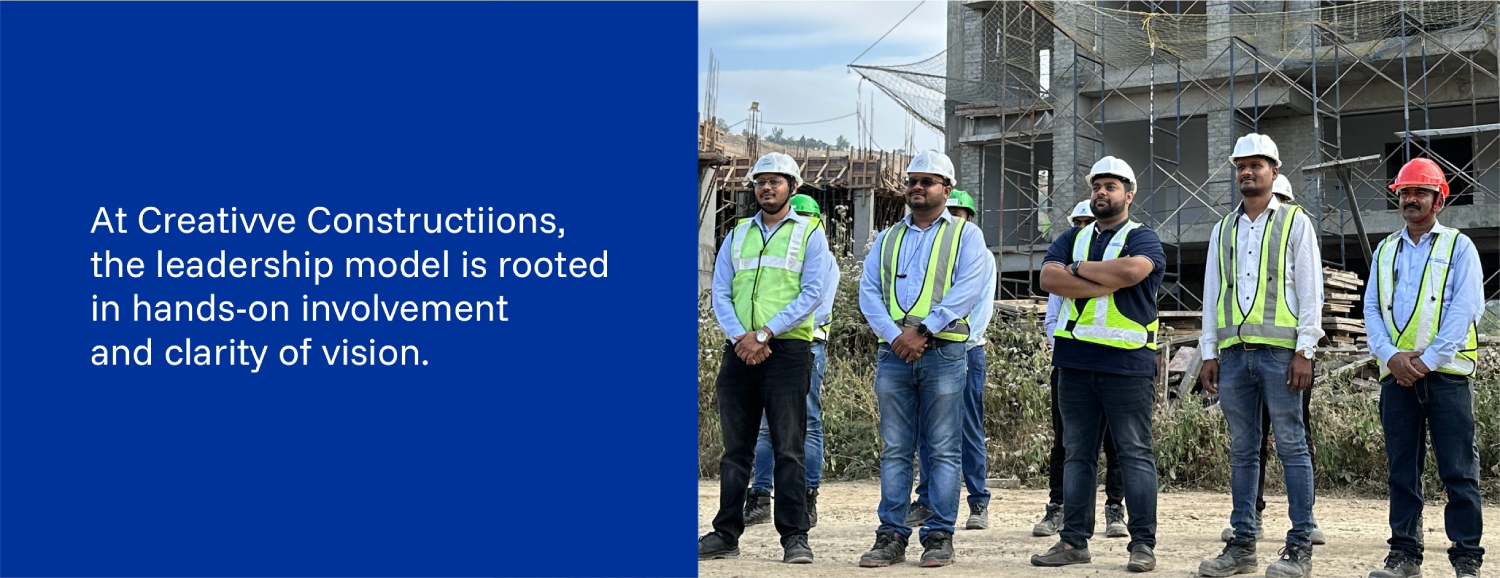
At Creativve Constructiions, the leadership model is rooted in hands-on involvement and clarity of vision. Project leads are trained not just in execution, but in stakeholder communication and long-term planning. Our experience shows that projects with empowered middle leadership are completed faster, with fewer quality issues and better client feedback.
One of our project coordinators, who began as a site engineer, now handles end-to-end execution for industrial facilities in Goa. His growth was not incidental—it was enabled through structured rotation, mentoring by the director himself, and opportunities to lead.
The Road Ahead
India's construction boom demands leaders who are grounded, communicative, and forward-thinking. As we adopt newer technologies, modular practices, and integrated systems, leadership will remain the cornerstone. But unlike machines or systems, leaders cannot be installed—they must be built, nurtured, and trusted.
Construction is not only about concrete and timelines. It’s about people building something together. And strong leadership ensures that the team moves forward with clarity, purpose, and respect.
Tell Us Your Story
We’d love to hear from industry peers: How are you building your leadership pipeline? What has worked, and where have you struggled? Let’s build the future of construction leadership—together.